Yes, you can see the Milky Way
From the Blog
- The 2024 Total Solar Eclipse and the Milky Way Galaxy
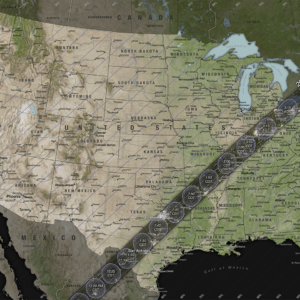
The Earth is gearing up for another spectacular cosmic event! Set your calendars for April 8th, 2024, as a total solar eclipse is poised to dazzle observers across North America.
- Exploring the Massive Black Hole at the Center of the Milky Way
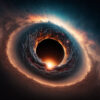
Have you ever looked up at the night sky and wondered what lies at the center of our galaxy? The answer may surprise you - it's a black hole.
- California Milky Way
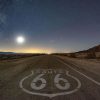
If you travel or live in California and you have not studied the night sky it can be overwhelming to know when is the right time to get out and see the Milky Way Galaxy with the naked eye.
- Places to see the Milky Way Galaxy
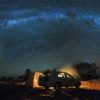
The elusive Milky Way Galaxy is one of the most interesting naked eye sights in the night sky. But its not always best seen, there might be a lot of light pollution in the area you live and the timing needs to be right.
- What galaxies can you see with the naked eye?
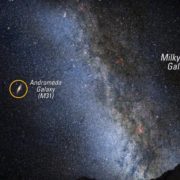
There a few of them...more exactly are about 51 galaxies in the Local Group. Let's start with the most known, the Andromeda (M31) Galaxy.
- RW Cephei, Among the Biggest Stars in the Milky Way, Faces its Final Act in a Colossal Eruption
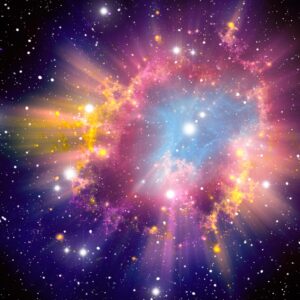
RW Cephei, discover the cosmic spectacle of a colossal star in the Milky Way, currently undergoing a transformative phase.
- Milky way from Europe
Discover the best stargazing spots in Europe to witness the mesmerizing Milky Way galaxy. From the remote Ardennes in Belgium to the breathtaking Picos de Europa in Spain, our guide highlights optimal locations with clear night skies and minimal light pollution.
- Texas Milky Way
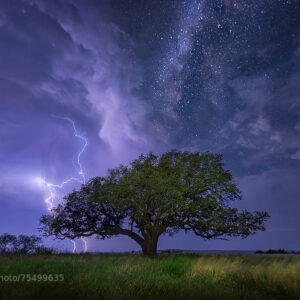
Texas offers a treasure trove of opportunities to witness the Milky Way's awe-inspiring grandeur.
- Enhance Your Stargazing Experience with These Gadgets
With the right gadgets, you can make the most out of your stargazing adventure. In this article, we will introduce you to some of the best gadgets that can enhance your stargazing experience.
- Milky Way Mythology FAQ Bot
The Milky Way has been a subject of fascination and wonder for cultures around the world. Many ancient civilizations saw the stars in the night sky and used their imaginations to create stories and legends.
 back
back