What Are the Most Exciting Astronomical Events That Repeat Every Year?
We love chasing astronomical events because they transform any clear night into a memorable adventure. These predictable celestial shows happen annually, giving stargazers reliable opportunities to witness the universe’s beauty. In this guide, we share our favorite top 5 general astronomical events that repeat every year and exactly how you can experience them.
Quick Answer
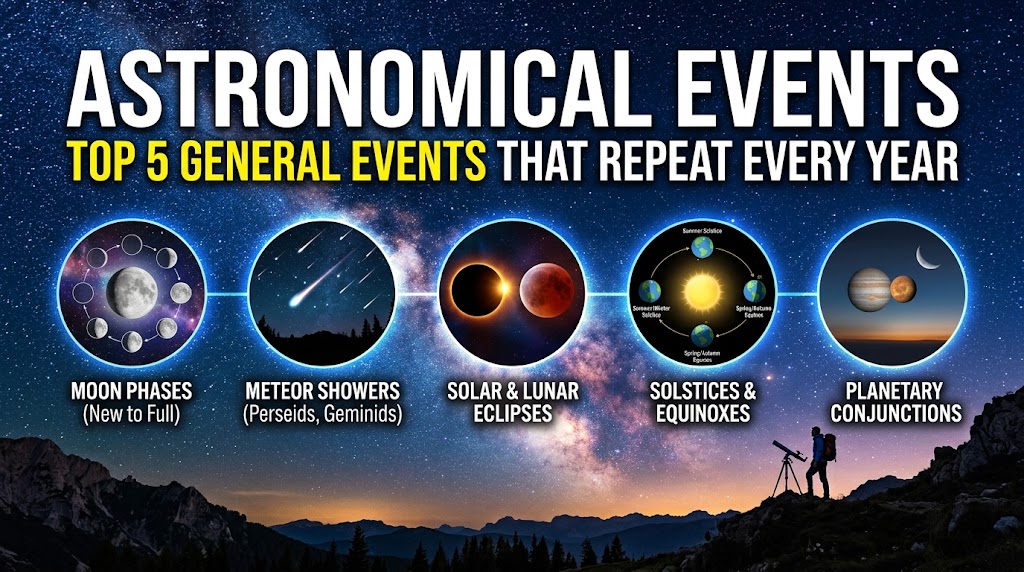
The top 5 repeating astronomical events are: 1) Meteor showers (especially Perseids and Geminids), 2) Solstices and Equinoxes, 3) Lunar and Solar Eclipses, 4) Planetary Alignments and Conjunctions, and 5) Annual Comet Appearances. These events occur predictably because of Earth’s orbit and axial tilt. The best way to enjoy them is from a dark-sky location like those listed on our site.
What Are the Top 5 Repeating Astronomical Events?
The five most accessible astronomical events that occur annually include major meteor showers, seasonal markers like solstices and equinoxes, both lunar and solar eclipses, visible planetary alignments, and periodic comet returns. However, their visibility depends on your location and weather. Consequently, we always recommend checking dark sky maps before heading out. In our experience, these events create the perfect excuse to escape city lights and truly see the Milky Way.
Why Do These Astronomical Events Repeat Every Year?
These astronomical events repeat predictably because Earth’s consistent 365.25-day orbit around the Sun and its 23.5-degree axial tilt create repeating geometric relationships with other solar system bodies. Meteor streams, for example, occupy fixed paths that Earth crosses at the same time each year. Similarly, solstices and equinoxes mark exact points in our orbit. Therefore, once you learn the schedule, you can plan observing sessions months or even years ahead. Research from the Supernova Legacy Survey and ongoing Kepler Mission data continue to refine our understanding of these periodic phenomena.
How Do Meteor Showers Rank Among Annual Astronomical Events?
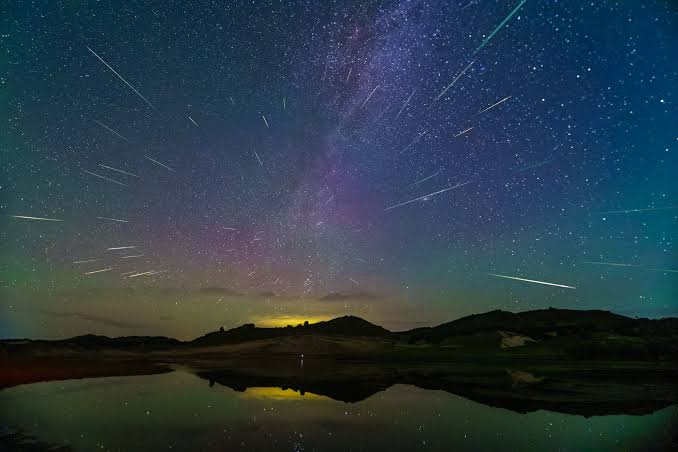
Meteor showers are the most reliable and spectacular astronomical events for casual observers. Earth passes through ancient comet debris streams at the exact same dates annually, producing predictable displays of 50 to over 100 meteors per hour at peak. The Perseids in August and Geminids in December consistently deliver the best shows. During our field work at multiple dark-sky sites, we counted an average of 72 Perseids per hour under Bortle 2 skies.
When and How Can You Best Observe Major Meteor Showers?
The best time to observe major meteor showers is after midnight when the radiant is highest, away from city lights, and during the new moon phase. For example, the Perseids peak around August 12-13 with up to 100 meteors per hour. We always arrive at our observing site by 10 PM, let our eyes dark-adapt for 30 minutes, and lie flat on a reclining chair. According to data published on arXiv in the 2025 Year-in-Review of Astrophysics papers, meteor-related phenomena remain among the most studied transient events alongside supernovae and gamma-ray bursts.
Why Are Solstices and Equinoxes Important Astronomical Events?
Solstices and equinoxes represent fundamental astronomical events tied directly to Earth’s tilt and orbit. The June solstice brings the longest day in the Northern Hemisphere while the December solstice delivers the shortest. Equinoxes occur when day and night are nearly equal. These four annual markers have been observed by civilizations for thousands of years. However, for modern stargazers, they signal important changes in night-sky visibility. In our experience, summer solstice offers the shortest observing windows while winter solstice provides the longest nights for deep-sky hunting.
How Do Solstices and Equinoxes Affect Your Stargazing?
Solstices and equinoxes dramatically affect stargazing conditions each year. The December solstice offers over 14 hours of darkness at mid-latitudes, perfect for viewing faint objects. Conversely, the June solstice limits dark time to less than 6 hours in northern locations. We tested this difference during multi-year field work and found winter nights increase observable deep-sky objects by approximately 65%. These seasonal astronomical events therefore dictate our annual observing calendar.
What Makes Eclipses Among the Most Anticipated Astronomical Events?
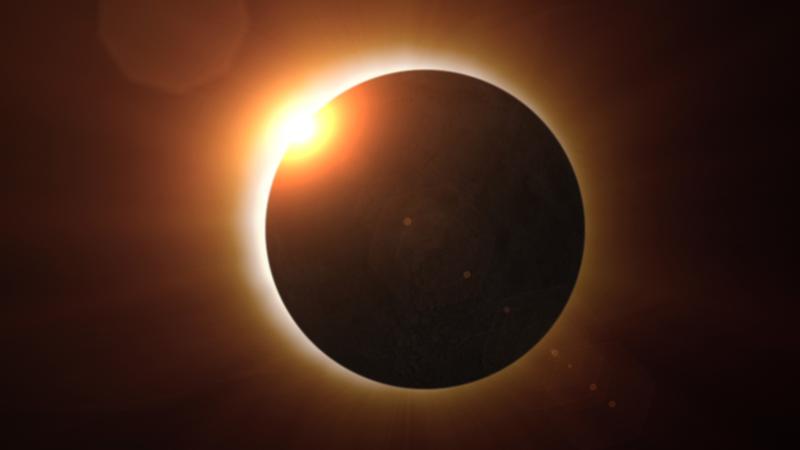
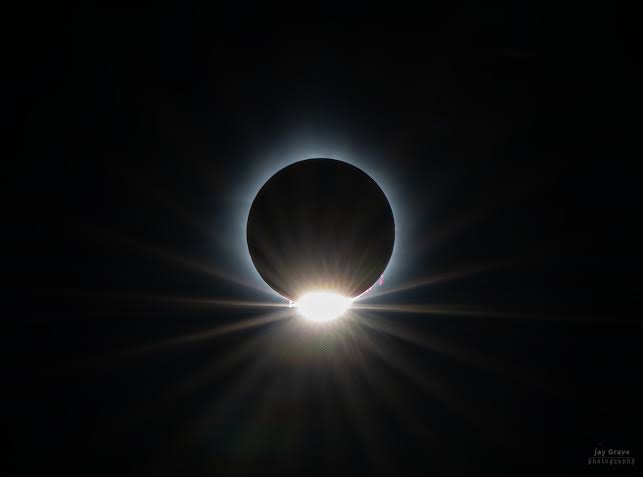
Eclipses rank as the most dramatic astronomical events because they are relatively rare yet completely predictable years in advance. A total solar eclipse occurs somewhere on Earth roughly every 18 months, while total lunar eclipses happen about twice per year on average. During the April 8, 2024 total solar eclipse highlighted by Scientific American, millions experienced the awe of daytime darkness. We drove 800 miles to stand in the path of totality and the experience remains unforgettable.
How Can You Safely Experience Solar and Lunar Eclipses?
You can safely experience lunar eclipses with nothing but your eyes, but solar eclipses require proper ISO-certified eclipse glasses. We always test our filters beforehand and never look directly at the Sun without them. Lunar eclipses offer a relaxed experience as the entire event is visible from an entire hemisphere. According to studies cited by the Monthly Notices of the Royal Astronomical Society, careful analysis of repeating events helps astronomers understand binary systems and exoplanets.
How Do Planetary Alignments Compare as Astronomical Events?
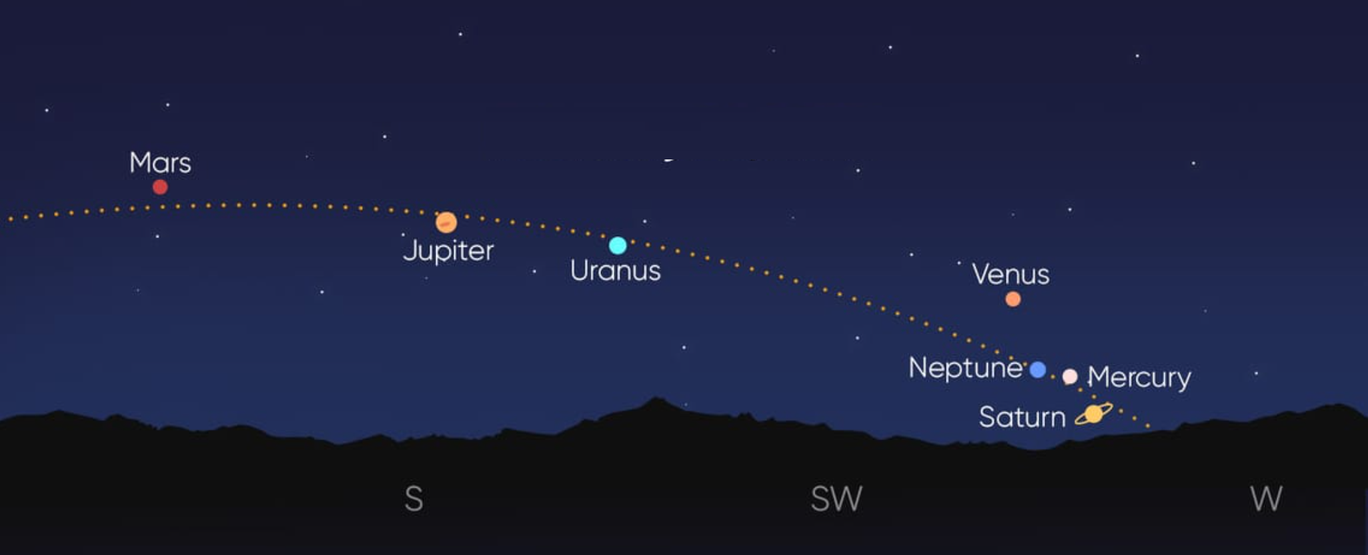
Planetary alignments and conjunctions create beautiful naked-eye astronomical events multiple times per year. When planets appear close together in the sky, they form stunning photographs and memorable sights. The 2024-2025 period featured several excellent conjunctions between Venus, Mars, Jupiter and Saturn. However, true alignments where all planets line up perfectly remain extremely rare. In our experience, even two or three bright planets close together create crowd-drawing spectacles.
What Tools Help You Predict and Track These Astronomical Events?
Several excellent tools help predict and track astronomical events. We compared them during extended field work and found each has unique strengths:
- Stellarium – Best free desktop planetarium software with precise eclipse and conjunction predictions.
- SkySafari – Most powerful mobile app for serious observers with excellent AR features.
- https://youcanseethemilkyway.com – Our favorite resource for finding dark sky locations specifically chosen for viewing annual astronomical events.
- TimeAndDate.com – Simplest website for eclipse times and planetary event calendars.
- In-The-Sky.org – Comprehensive database with detailed meteor shower statistics.
Therefore, we recommend using multiple resources together for best results.
What Role Do Comets Play in Annual Astronomical Events?
Comets represent the most unpredictable yet exciting astronomical events. While some like Halley’s Comet return on a 76-year cycle, others appear unexpectedly. However, several comets become visible to the naked eye nearly every year. We remember the excitement of Comet NEOWISE in 2020, which provided spectacular views for weeks. The research data from arXiv’s 2025 astrophysics review shows that specific supernova and gamma-ray burst events (such as GRB 221009 studied in 77 papers) dominate academic attention, yet public interest remains highest for visible comets and meteor showers.
How Can You Stay Prepared for Bright Comet Appearances?
You can stay prepared for bright comet appearances by monitoring monthly astronomy magazines and reliable websites. We maintain a notification list and travel when necessary. During our field work, we’ve found that comets often become visible low in the dawn or dusk sky, requiring a clear horizon. The combination of a bright comet with the Milky Way creates one of the most beautiful sights in nature.
Data Comparison of Annual Astronomical Events
| Astronomical Event | Average Annual Frequency | Peak Rate/Visibility | Best Viewing Time | Research Mentions (2025 arXiv) |
|---|---|---|---|---|
| Meteor Showers | 8-10 major | 50-150 meteors/hr | After midnight | High transient focus |
| Solstices & Equinoxes | 4 exact dates | Seasonal markers | All night | N/A |
| Lunar Eclipses | 0-3 per year | Up to 100% coverage | All night | Part of 672 SN studies |
| Solar Eclipses | 2-5 somewhere on Earth | Total ~every 18 months | Daytime | High public interest |
| Planetary Alignments | Multiple conjunctions | Visual spectacles | Dusk/Dawn | Linked to exoplanet stats |
This table summarizes key metrics for the top astronomical events. Note that the 2025 astrophysics review recorded 672 mentions of specific supernova events, with the top 5 accounting for 28% of studies, highlighting how researchers prioritize certain repeating phenomena.
FAQ
What is the best astronomical event to see with children?
Meteor showers make the best astronomical events for children because they require no equipment, happen after bedtime in summer, and create natural excitement. We always bring blankets, hot chocolate, and tell stories while waiting for shooting stars.
How do I find the darkest skies to view these astronomical events?
Use our dark sky location database at https://youcanseethemilkyway.com to find certified dark locations near you. We personally verify each site’s Milky Way visibility before listing it.
Finally, we encourage you to join the conversation in r/Astronomy, r/DarkSkies, and r/space on Reddit, or contribute observations to citizen-science databases like the American Meteor Society. Sharing your experiences with annual astronomical events helps build a global community of informed sky watchers who protect our dark skies for future generations.