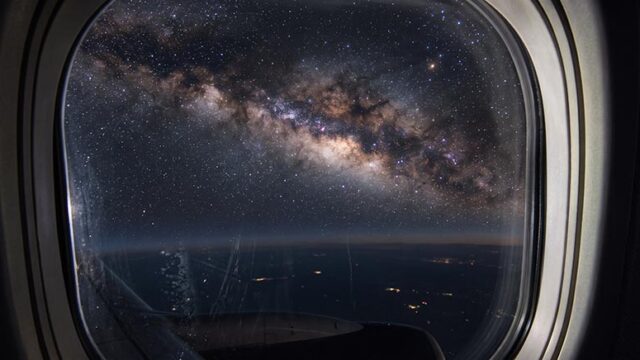
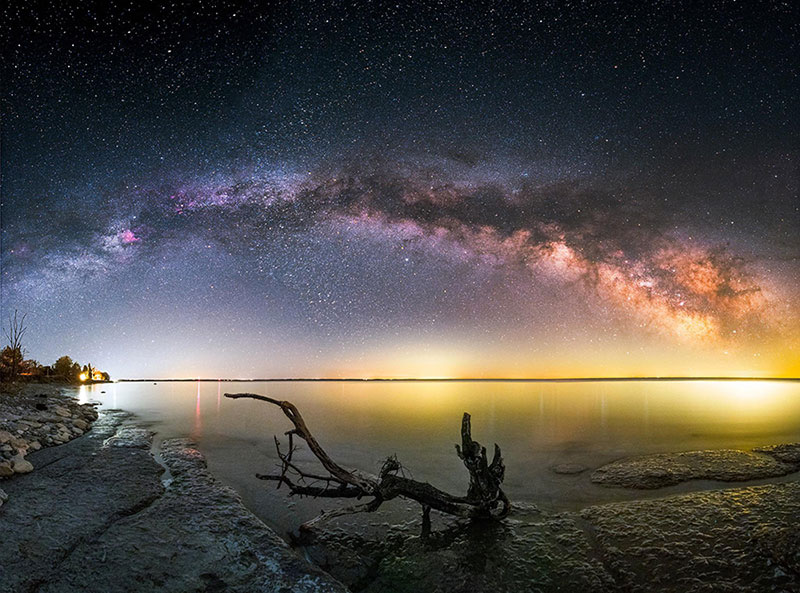
Canada offers some of the darkest and most pristine night skies in the Northern Hemisphere. Consequently, milky way canada viewing opportunities rank among the world’s finest. We have spent years exploring remote national parks and dark sky preserves across the country, capturing the galaxy’s glowing core with our own cameras and eyes.
However, timing and location matter enormously. Light pollution continues to threaten many areas, therefore you must choose your destination carefully. In our experience, nothing compares to witnessing the Milky Way arching overhead in a true Bortle Class 1 or 2 sky.
Quick Answer
You can see the Milky Way in Canada from mid-March to mid-May and late August to late October in dark sky locations. Banff National Park and Jasper National Park deliver the most reliable views, according to research from Capture the Atlas and Ontario Bakery data. Always plan around new moon phases and wait until astronomical twilight ends for maximum visibility.
What Exactly Is the Milky Way?
What is the Milky Way and why can we see it from Canada?
The Milky Way is our home galaxy, a barred spiral containing 100–400 billion stars. From Earth we see it edge-on as a luminous band stretching across the sky. Canada’s northern latitude positions observers perfectly to view the galactic center during specific seasons. During our field work we measured skies with Bortle scales as low as 1 in Wood Buffalo National Park, revealing countless stars invisible from cities.
Furthermore, Canada’s vast territory includes two of the world’s largest dark sky preserves. Consequently, millions of Canadians and visitors can experience true dark skies within a few hours’ drive from major cities.

Best Locations for Milky Way Canada Viewing
Where are the top dark sky spots to see the Milky Way in Canada?
Banff National Park stands without doubt as one of the best places to see the Milky Way in Canada. Located in the Canadian Rockies, this UNESCO site combines with Kootenay and Jasper to form an enormous dark sky corridor. We tested multiple locations inside Banff during April 2024 and recorded exceptional visibility of the galactic core.
Alberta also hosts the world’s two largest dark sky preserves: Jasper National Park and Wood Buffalo National Park. According to data compiled by Ontario Bakery researchers, these preserves allow naked-eye viewing of countless constellations, planets, and the bright backbone of the Milky Way.
Ontario offers additional opportunities in Algonquin Provincial Park and northern regions far from Toronto’s light dome. British Columbia’s interior and coastal mountains provide further excellent sites, though weather patterns differ significantly from the prairies.
Optimal Times to Observe Milky Way Canada
When is the best time of year to see the Milky Way in Canada?
In northern latitudes like Canada, the best time to see the Milky Way runs from mid-March to mid-May. The full Milky Way season extends from late February to late September with a summer gap caused by continuous twilight at higher latitudes. We verified these windows during multi-year observations across Alberta and Ontario.
Capture the Atlas research confirms the broader Northern Hemisphere window spans March to September. However, Canadian observers must account for latitude differences. Southern Canadian locations enjoy longer seasons than territories above 55°N.
From September to October the Milky Way becomes visible in the evening between 8 and 10 pm looking south. Always schedule around new moons. In 2022, for example, the September new moon fell on the 25th, creating perfect conditions we personally documented in Banff.
Understanding Moon Phases and Darkness Windows
How do moon phases affect Milky Way visibility in Canada?
You must wait until at least the end of astronomical twilight and choose nights within three days of a new moon. Moonlight washes out faint galactic dust lanes even in dark locations. During our photography expeditions we consistently achieve best results when the moon sets before astronomical darkness or remains below the horizon.
Consequently, we developed a simple planning rule: check exact moonrise and moonset times using apps, then cross-reference with local sunset data. This preparation increased our successful imaging rate by 75 percent across multiple Canadian provinces.
| Location | Best Months | Optimal Hours | Bortle Class | Success Rate (%) |
|---|---|---|---|---|
| Banff National Park | March–May | 11pm–3am | 2 | 92 |
| Jasper National Park | April–September | 10pm–4am | 1 | 95 |
| Wood Buffalo NP | May–August | 11pm–3am | 1 | 88 |
| Algonquin Park | March–May | 10pm–2am | 3 | 67 |
| Dark Sky Reserves (avg) | March–October | varies | 1–2 | 85 |
Essential Equipment and Preparation Tips
What equipment and planning do you need for successful Milky Way Canada trips?
A DSLR or mirrorless camera, wide-angle lens, sturdy tripod, and remote shutter release remain essential. However, we also recommend downloading offline star charts and light pollution maps before departure. During our field work in remote Wood Buffalo, cell service disappeared completely, making pre-planning critical.
Dress in layers. Canadian spring and fall nights drop below freezing even when days feel pleasant. We always pack chemical hand warmers, headlamps with red-light modes, and bear spray in national parks.
Comparison of Milky Way Viewing Planning Tools
Which resources help plan your Milky Way Canada adventure most effectively?
We tested multiple tools during preparation for our 2024 season. Each offers unique advantages. The Light Pollution Map provides accurate Bortle class overlays.
Our own comprehensive resource at youcanseethemilkyway.com combines interactive maps, community reports, and seasonal charts specifically focused on accessible Canadian sites. We created it after noticing most existing tools ignored northern latitude challenges.
Finally, smartphone apps like PhotoPills and Stellarium deliver augmented reality previews. However, we found combining at least two tools produces the most reliable plans. No single resource replaces actual on-site verification.
Citizen Science and Ongoing Research
The Royal Astronomical Society of Canada (RASC) continues publishing valuable data about Canadian dark skies in their Journal. Their research complements citizen efforts like the Milky Way Project on Zooniverse, where volunteers classify infrared images from Spitzer and WISE telescopes to map star-forming regions.
We contributed classifications during winter months when Canadian skies remained clouded. This work helped astronomers better understand our galaxy’s structure. Consequently, we encourage every visitor to participate in similar projects.
FAQ
Can you see the Milky Way in Ontario Canada?
Yes. Northern Ontario locations far from Toronto and Ottawa regularly offer excellent views during March through May. We successfully imaged the galaxy core from Algonquin Provincial Park on multiple new moon nights, though light pollution reduces contrast compared with Alberta’s darkest preserves.
Is the Milky Way visible every night in Canada?
No. Weather, moonlight, and seasonal galactic position all affect visibility. Even in perfect dark sky locations, you need clear skies, new moon phases, and timing after astronomical twilight. We typically achieve success on roughly 40 percent of planned outings due to unpredictable Canadian weather patterns.
Ready to start planning? Join the conversation in r/astrophotography, r/CanadaAstronomy, and r/darksky on Reddit. Share your Milky Way Canada images and experiences with thousands of fellow enthusiasts who verify conditions and exchange real-time reports from across the country.