
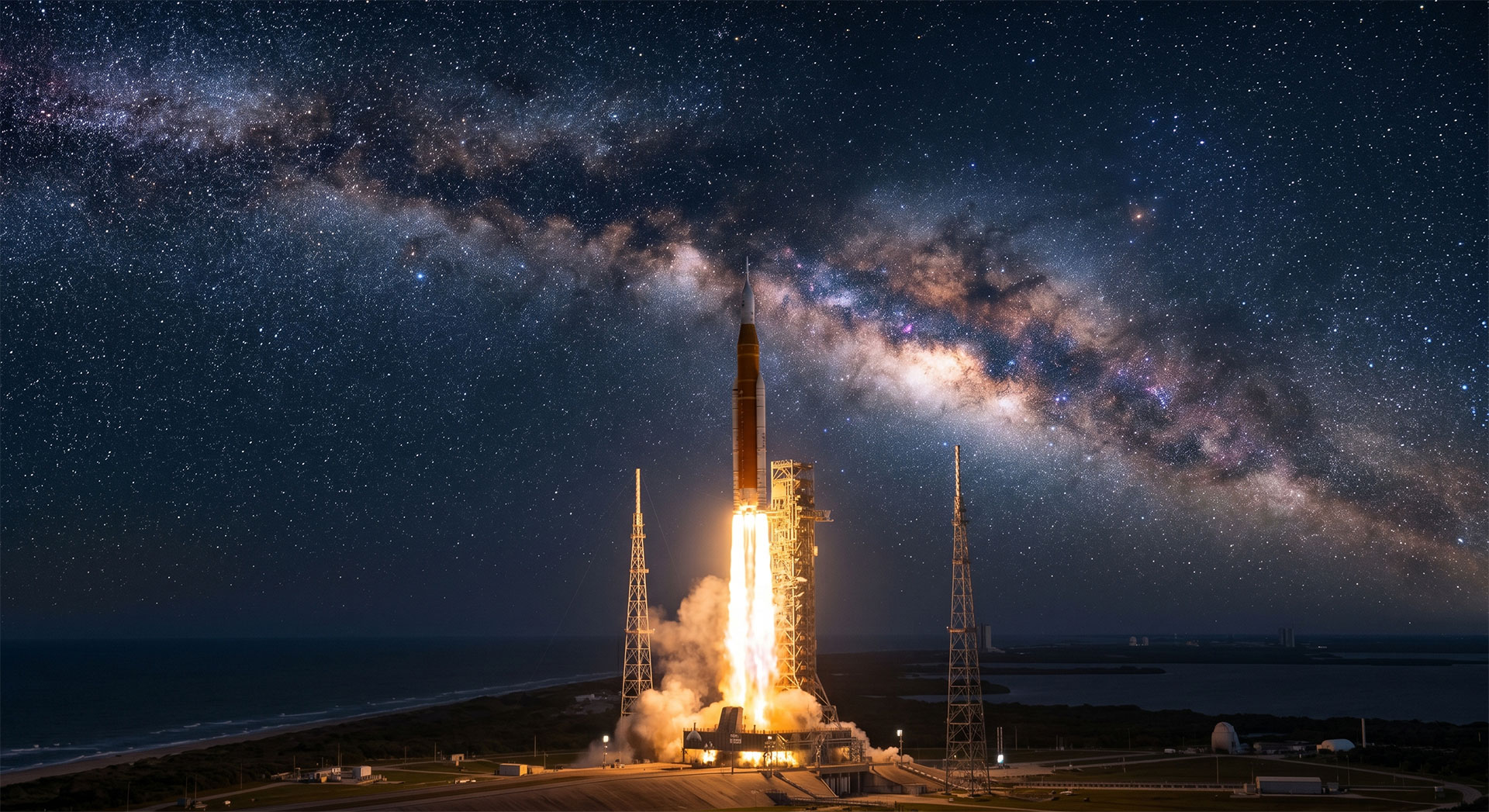
If you’ve been looking up at the night sky recently, you might have felt a little extra magic in the air. For the first time since the Apollo 17 mission in 1972, humanity returned to the Moon. NASA’s highly anticipated Artemis 2 mission officially launched on April 1, 2026, sending four astronauts on a spectacular 10-day journey around our closest celestial neighbor. Whether you caught the launch live or are just catching up on the space news now, here is everything you need to know about the mission that just rewrote spaceflight history.
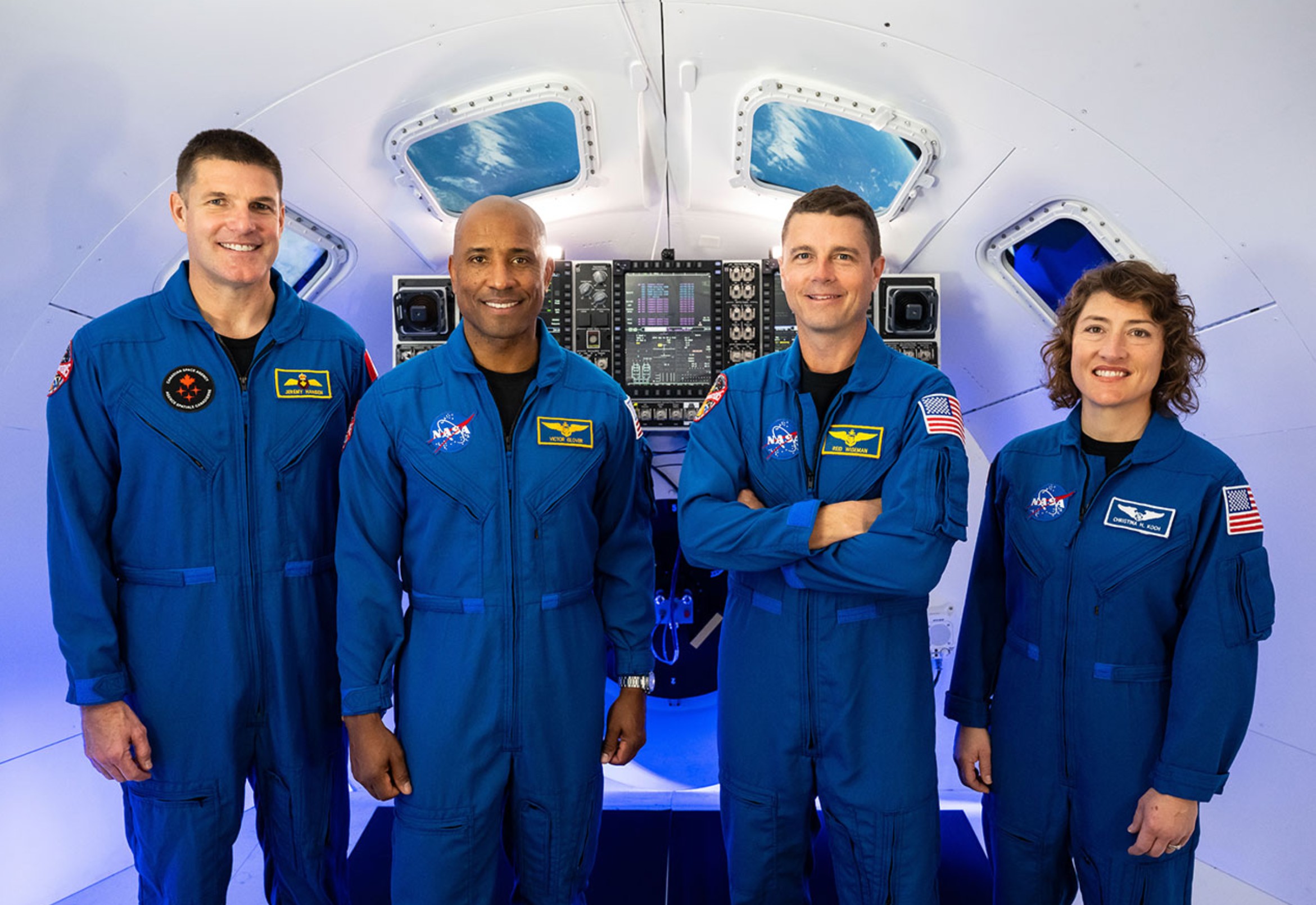
Meet the Crew of the Orion “Integrity”
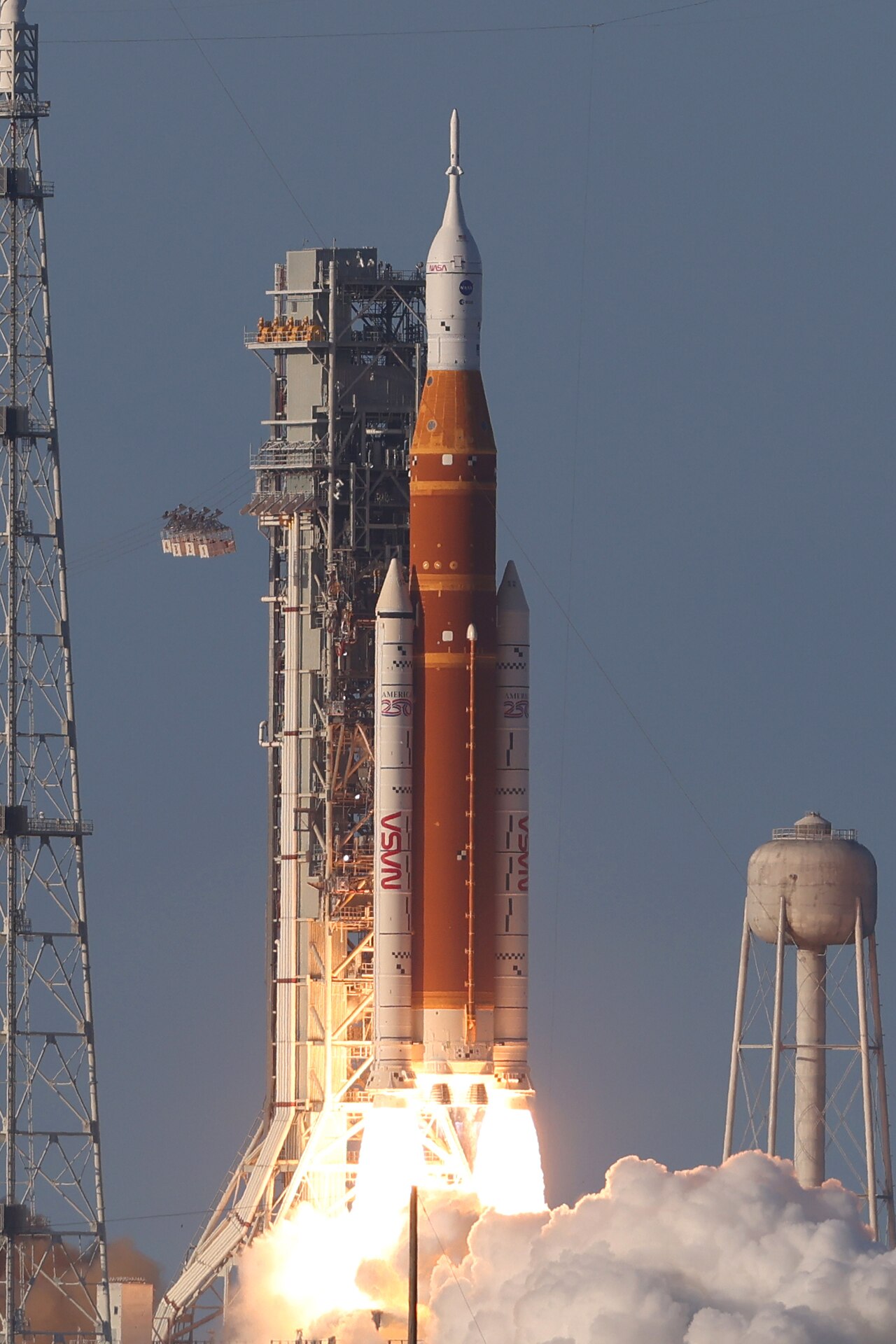
At 6:35 p.m. EDT on April 1, the massive Space Launch System (SLS) rocket roared to life at Florida’s Kennedy Space Center. Aboard the Orion spacecraft—which the crew officially named Integrity—were four astronauts who trained for years for this exact moment:
-
Reid Wiseman (Commander, NASA)
-
Victor Glover (Pilot, NASA)
-
Christina Koch (Mission Specialist, NASA)
-
Jeremy Hansen (Mission Specialist, Canadian Space Agency)
This crew represents a new era of space exploration. Not only was Jeremy Hansen the first Canadian to venture to lunar distances, but the mission itself served as the ultimate stress test for the life support systems, spacesuits, and navigation tech that will eventually put boots back on the lunar surface.
Breaking the Apollo 13 Distance Record
The Artemis 2 mission wasn’t just a simple orbit and return—it was designed to push boundaries.
After circling Earth to build momentum, Integrity fired its engines for a translunar injection, sending the crew on a 240,000-mile journey to the Moon. Once there, they executed a lunar flyby, whipping around the far side of the Moon.
During this flyby, the crew made history:
-
-
The Farthest Humans Have Ever Traveled: They reached a staggering distance of 252,756 miles away from Earth. This officially broke the previous distance record set by the Apollo 13 astronauts in 1970.
-
A Private Solar Eclipse: Because of their unique vantage point, the Moon appeared large enough to fully block the Sun, treating the crew to an incredible 54-minute solar eclipse.
-
New Craters Discovered: The astronauts actively photographed the lunar surface and spotted two previously unnamed craters. They requested NASA name one “Carroll” (after Wiseman’s late wife) and the other “Integrity” after their spacecraft.
-
The Splashdown: A Safe Return to Earth
After a flawless 10-day mission, the Orion capsule made its fiery reentry into Earth’s atmosphere on April 10, 2026. Despite a brief six-minute communications blackout caused by the intense plasma buildup during reentry, the spacecraft deployed its parachutes perfectly.
Integrity splashed down in the Pacific Ocean, southwest of San Diego, at 8:07 p.m. EDT, where the crew was swiftly recovered by the USS John P. Murtha.
What’s Next? Eyes on Artemis 3
Artemis 2 was a vital stepping stone. By successfully proving that the Orion spacecraft can safely sustain a crew in deep space, NASA has officially opened the door for Artemis 3 (currently targeted for late 2027). That mission aims to do what hasn’t been done in over half a century: actually land humans back on the surface of the Moon.
For stargazers and space enthusiasts, the night sky just got a whole lot more exciting. Humanity is officially back in deep space—and we are just getting started.