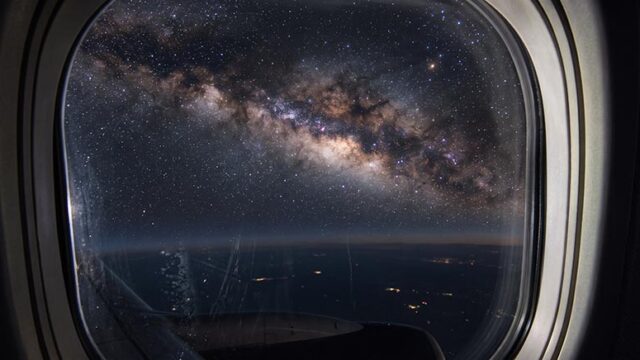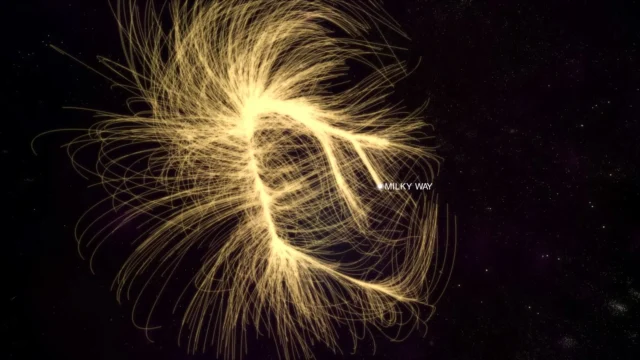
See the Milky Way in Spain, imagine standing under a canvas of a million stars, where the glowing, swirling arm of our own galaxy the Milky Way stretches across the inky blackness. It’s a sight that ignites wonder and connects us to the vastness of the cosmos.
If this sounds like a dream, pack your bags. Spain offers some of the most spectacular, pristine dark-sky opportunities in all of Europe.
From towering volcanic peaks above the clouds to remote, ancient oak forests, Spain boasts incredible locations perfect for stargazing. In this guide, we’ll break down exactly when to go, what to bring, and the top destinations to witness this celestial marvel.
Why Milky Way in Spain is Europe’s Stargazing Capital
Spain isn’t just famous for its vibrant culture and Mediterranean beaches; it is a globally recognized hub for astronomy. Several factors make it the ideal destination for chasing the galactic core:
-
Pioneer in Starlight Protection: Spain is the birthplace of the Starlight Foundation, meaning several regions are legally protected “Starlight Reserves” dedicated to preserving night skies.
-
High-Altitude Observatories: Locations like the Canary Islands and the Sierra Nevada allow you to get above atmospheric haze and low-lying clouds.
-
Extremely Low Light Pollution: While coastal cities are bright, Spain’s vast mountainous and rural interior offers exceptional darkness.
-
Favorable Weather: The southern regions and the islands boast a massive number of cloudless nights per year.
The Best Time to Witness the Milky Way in Spain
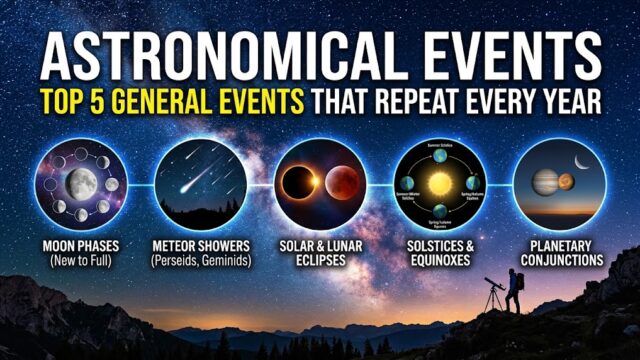
Timing is everything. You cannot see the Milky Way’s vibrant core year-round, and the wrong moon phase will completely wash it out.
-
The Best Season: The galactic core is visible from May to September. During these late spring and summer months, the Milky Way rises higher in the sky and stays visible longer.
-
The Moon Phase (Crucial): The Moon acts like giant localized light pollution. You must plan your trip around a New Moon (or when the moon sets very early/rises very late).
-
Time of Night: Wait until the sky is completely dark astronomical twilight ends about 90 minutes to 2 hours after sunset. The core is usually highest in the sky between midnight and 3:00 AM.
Top 5 Stargazing Spots to Find the Milky Way in Spain
To help you choose your destination, here is a quick comparison of Spain’s top dark sky locations:
| Location | Region | Best Feature | Altitude |
| La Palma & Tenerife | Canary Islands | World-class observatories above the clouds | High (>2,000m) |
| Sierra Nevada | Andalusia | Remote alpine peaks close to Granada | High (>2,500m) |
| Montsec Park | Catalonia | State-of-the-art public planetarium (COU) | Medium |
| Monfragüe Park | Extremadura | Vast, flat expanses of isolated wilderness | Low |
| Gúdar Javalambre | Aragon | “Starlight Sierra” built for astrotourism | Medium |
Travel Tip: If you want professional telescope access, lean toward Montsec or the Canary Islands. If you want rugged isolation, head to Extremadura.
1. The Canary Islands (La Palma & Tenerife)
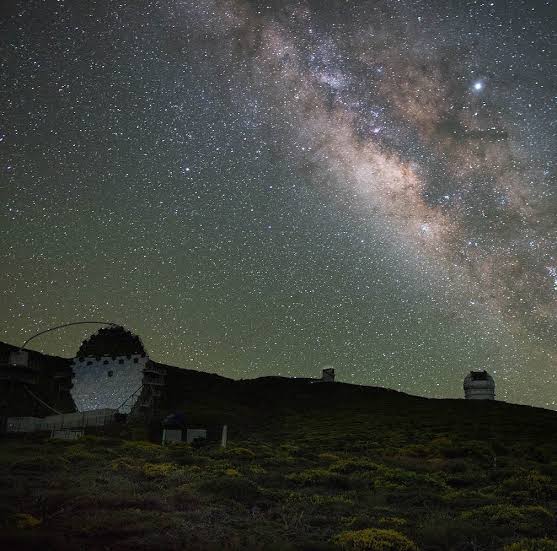
Often called the “Astrotourism Capital of the World,” these islands offer pristine skies perfect for the Milky Way in Spain thanks to strict light pollution laws and extreme elevation.
-
La Palma: Home to the Roque de los Muchachos Observatory. The entire island is a UNESCO Biosphere Reserve.
-
Tenerife: Teide National Park allows you to stargaze from a volcanic landscape positioned perfectly above the “sea of clouds.”
2. Sierra Nevada National Park (Andalusia)
Rising majestically near Granada, the Sierra Nevada offers vast expanses of dark sky. The high peaks and protected park status ensure crisp, clear views free of urban light interference, making it a favorite for mainland astrophotographers.
3. Montsec Astronomical Park (Catalonia)
Located in the heart of Catalonia, the Montsec area is a certified Starlight Tourist Destination. It is home to the Centre d’Observació de l’Univers (COU), which features excellent facilities for public observation, making it the most beginner-friendly spot on the mainland.
4. Extremadura (Monfragüe National Park)
This vast, sparsely populated region in western Spain is a hidden gem. Its expansive dehesa (oak forests) offer incredible isolation. Because the population density is so low, the skies here are remarkably dark without requiring you to climb a mountain.
5. Gúdar Javalambre (Teruel, Aragon)
Known locally as the “Starlight Sierra,” this mountainous region was the first Starlight Tourist Destination in continental for Milky Way in Spain. It was specifically developed with astrotourism in mind, featuring designated viewing points and strict local light preservation initiatives.
Essential Tips for Beginner Milky Way Hunters
If you’ve never gone dark-sky hunting before, these practical steps will ensure you actually see the galaxy:
-
Use a Light Pollution Map: Websites like LightPollutionMap.info will show you exactly where the darkest skies (Bortle Class 1-3) are located near your hotel.
-
Bring a Red-Light Headlamp: White light instantly ruins your night vision, which takes up to 30 minutes to develop. A red light allows you to see your gear without blinding yourself.
-
Allow Your Eyes to Adjust: Put the smartphone away. Turn off all lights and wait at least 20 minutes. You will be shocked by how many more stars appear once your pupils fully dilate.
-
Download a Star Chart: Apps like Stellarium or SkyGuide (used in “red light mode”) can help you track exactly where and when the Milky Way core will rise above the horizon.
-
Layer Up: Even in the middle of a Spanish July, high-altitude spots like Teide or the Sierra Nevada get incredibly cold at 2:00 AM.
Capturing the Cosmos: Beginner Camera Settings
You don’t need a Hubble telescope to photograph the Milky Way—just a DSLR or Mirrorless camera with manual mode and a sturdy tripod.
Start with these baseline settings and adjust from there:
-
Lens: Use your widest lens (e.g., 14mm to 24mm).
-
Aperture: Open it as wide as possible (lowest f-number, ideally f/2.8).
-
ISO: Make the sensor sensitive to light. Start at ISO 3200.
-
Focus: Switch to Manual Focus. Use your digital zoom on the camera screen to pinpoint a bright star and adjust until it is perfectly sharp.
-
Shutter Speed: Use the “500 Rule” to avoid blurry star trails. Divide 500 by your lens’s focal length. (Example: 500 ÷ 20mm lens = 25 seconds).
Take a test shot. If it’s too dark, bump the ISO to 6400. If the stars are trailing into little lines, reduce the shutter speed.
Your Spanish Milky Way Adventure Awaits
Seeing the Milky Way with your own eyes is a profoundly humbling experience. Spain’s dedication to preserving its night skies offers you a front-row seat to the cosmos. Pack warm clothes, check the lunar calendar, and prepare to be utterly captivated.