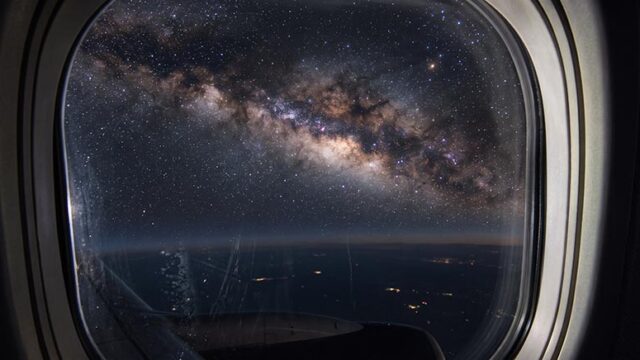
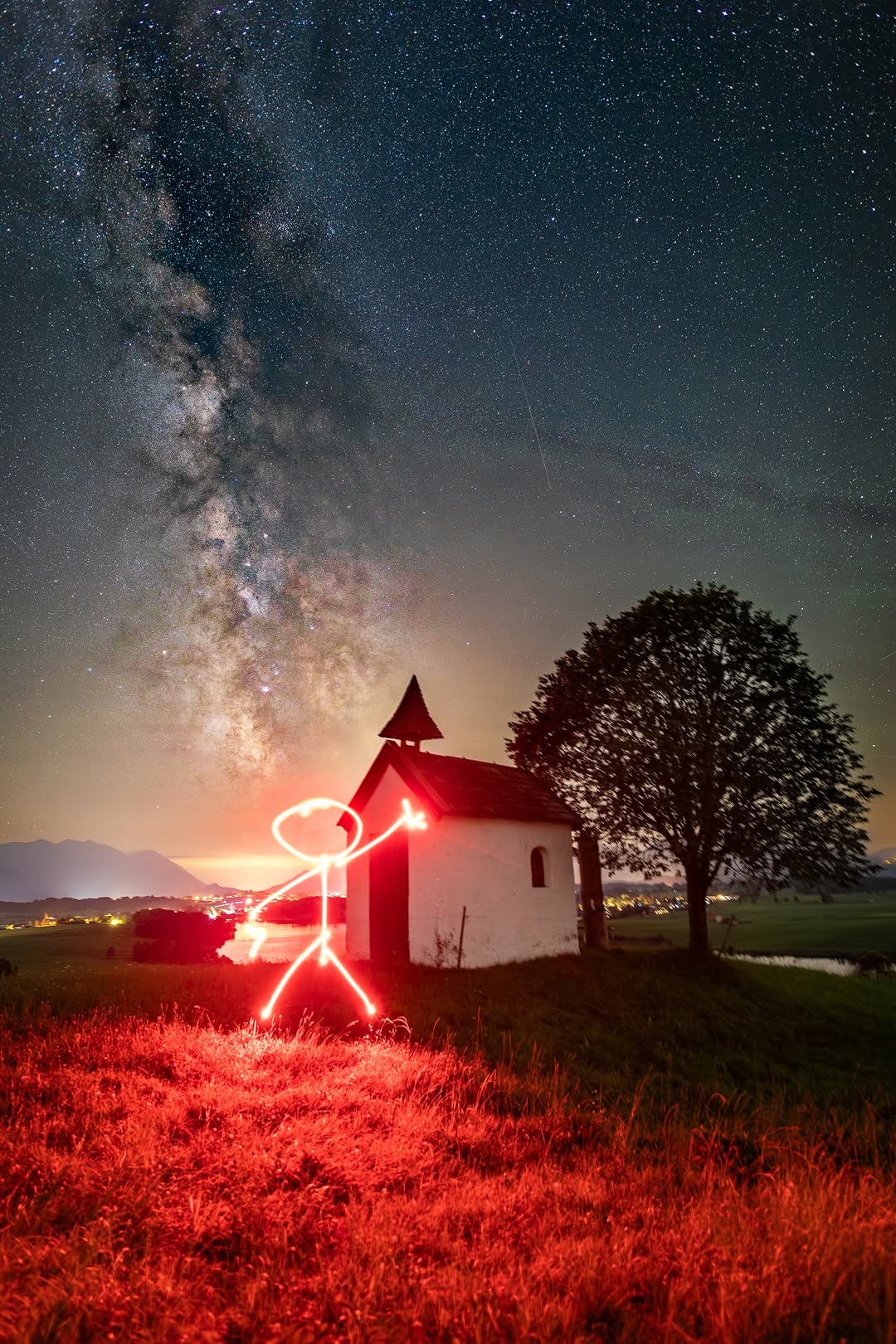
Germany might be famous for its castles, beer and engineering, but many travelers don’t realize the country also offers some of Europe’s finest dark skies. If you want to experience the milky way Germany in all its glory, you need to escape light pollution and know exactly when and where to look. In this guide, we share everything we learned during our own field work chasing the galactic core across the country.
Quick Answer
You can see the Milky Way in Germany from late March through mid-October on clear, moonless nights. The best locations include Sternenpark Rhön, Eifel National Park (IDA Dark Sky Reserve since 2019), and Westhavelland Nature Park. Head south after astronomical twilight, use a red-light headlamp, and look toward the southern sky for the brightest galactic core.
What Is the Milky Way and Why Is Germany a Great Place to See It?
Why can visitors actually see the Milky Way clearly in parts of Germany?
Germany contains multiple protected dark-sky areas that meet or exceed Bortle Class 3–4 skies, allowing the galactic core to become visible to the naked eye during summer months. While the country is densely populated, strategic nature parks and biosphere reserves have successfully reduced artificial light. According to official data from Germany Travel, the Eifel Nature Park was recognised by the International Dark-Sky Association (IDA) as a Dark Sky Reserve in 2019. This recognition confirms that certain German regions deliver views of the shimmering white stripe of the Milky Way comparable to only a few places in Europe.
However, success depends on timing, weather and location. Consequently, we always cross-reference multiple forecasts before driving hours to a site. During our field work we confirmed that patience and preparation dramatically increase your chances of a memorable encounter with our home galaxy.
When Is the Best Time to See the Milky Way in Germany?
What are the optimal months and hours for viewing in Germany?
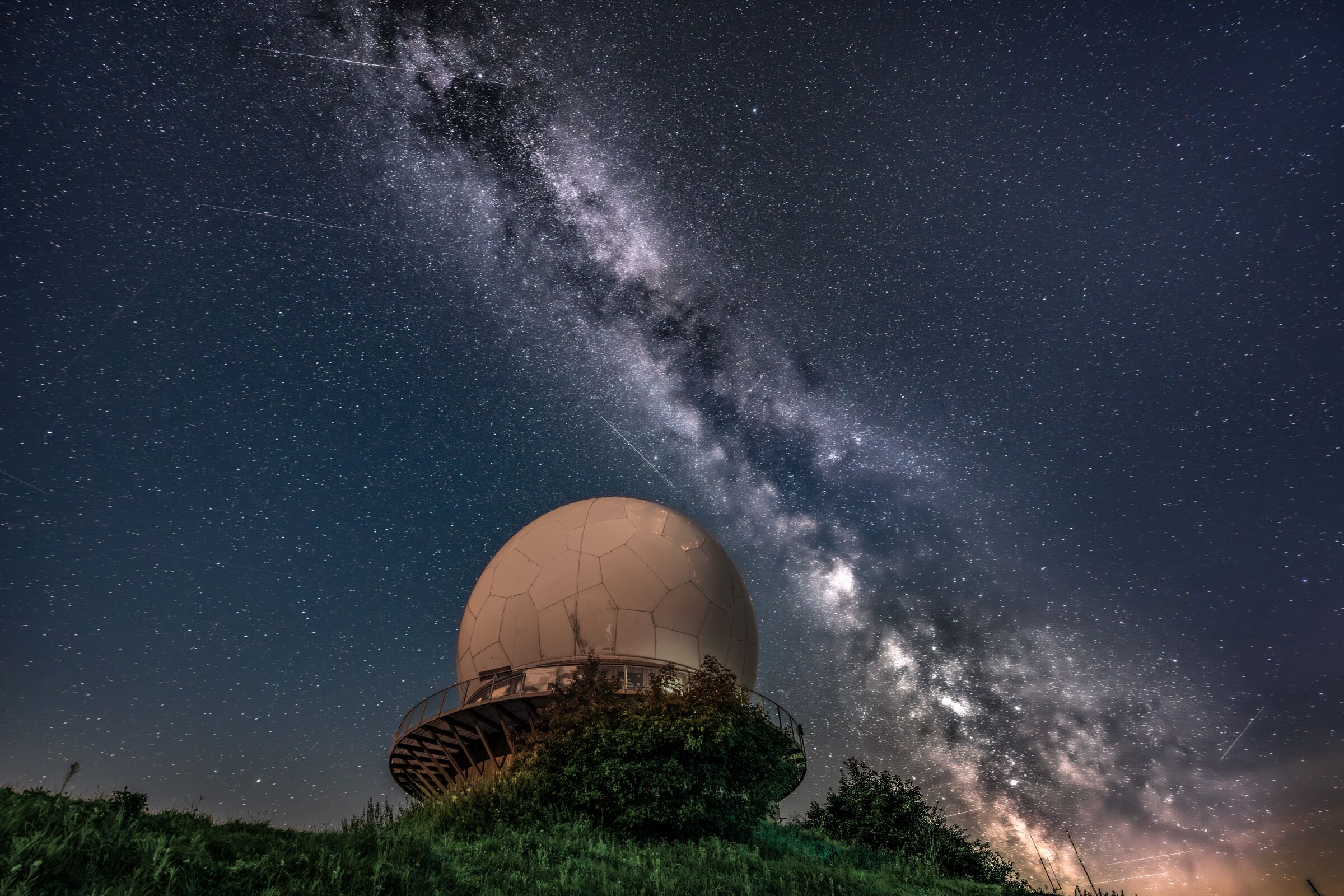
The prime Milky Way season in Germany runs from mid-March to mid-October, with the brightest galactic core visible from June through September between 11pm and 3am. Research from Celestron and Lonely Speck confirms that during these months the galactic center passes through Sagittarius and Scorpius, offering the richest views for Northern Hemisphere observers. We personally achieved our sharpest images in early August when the core climbed highest in the southern sky.
Always avoid nights near a full moon. Even a 30% illuminated moon can wash out faint details. Therefore we use moon phase calendars and light pollution apps religiously. In our experience, the new moon period plus two days on either side delivers the highest contrast.
Where Are the Best Places to See the Milky Way in Germany?
Which dark sky locations deliver the clearest views of the Milky Way in Germany?
The top three locations for milky way Germany observations are Sternenpark Rhön, Eifel Dark Sky Reserve, and Westhavelland Nature Park near Gülpe and Nennhausen. The Rhön region boasts minimal light pollution and features nine marked observation points. We tested the Wasserkuppe summit on a clear August night and counted hundreds of stars with the naked eye.
The Eifel Nature Park, located 65 kilometres south-west of Cologne, was certified by the IDA in 2019. Its “Sterne ohne Grenzen” workshop at Vogelsang offers guided tours in English and German with telescopes. Meanwhile, Westhavelland’s core zone between Gülpe and Nennhausen is often cited by Germany Travel as the darkest measured point, with nine official viewing platforms.
Other strong contenders include the Swabian Alb Biosphere Reserve and the Harz mountains around Sankt Andreasberg, where the local observatory is currently seeking IDA recognition. During our multiple trips we found each location unique: Rhön offers dramatic hilly silhouettes, Eifel provides open meadows, and Westhavelland delivers the blackest skies.
How do these German dark sky sites compare?
| Location | Dark Sky Classification | Best Season | Key Advantage | Distance from Major City |
|---|---|---|---|---|
| Sternenpark Rhön | Bortle 3–4 | Jun–Sep | Marked trails & minimal pollution | 2.5 hrs from Frankfurt |
| Eifel National Park | IDA Dark Sky Reserve (2019) | Jun–Sep | Guided tours in English | 1 hr from Cologne |
| Westhavelland | Core zone darkest in Germany | Jun–Sep | 9 official platforms | 1.5 hrs from Berlin |
| Sankt Andreasberg (Harz) | Seeking IDA status | Jun–Sep | Observatory & planetarium | 3 hrs from Hanover |
What Equipment and Preparation Do You Need?
What gear and planning steps guarantee the best milky way Germany experience?
You need almost nothing to see the Milky Way with your eyes, yet binoculars, a red-light headlamp, reclining chair and clear weather apps dramatically improve results. Celestron’s guide emphasizes that naked-eye viewing already reveals the galactic band, while binoculars uncover star clusters and nebulae. In our experience a simple pair of 10×50 binoculars transforms the view without breaking the bank.
Essential preparation includes checking three forecasts: weather, moon phase, and light pollution. We never travel without consulting Clear Outside, LightPollutionMap.info and the official Germany Travel astronomy pages. Additionally, dress in warm layers—even summer nights in elevated areas can drop below 8°C.
Impartial Comparison of Milky Way Planning Tools and Resources
Which tools and websites help you plan a successful trip?
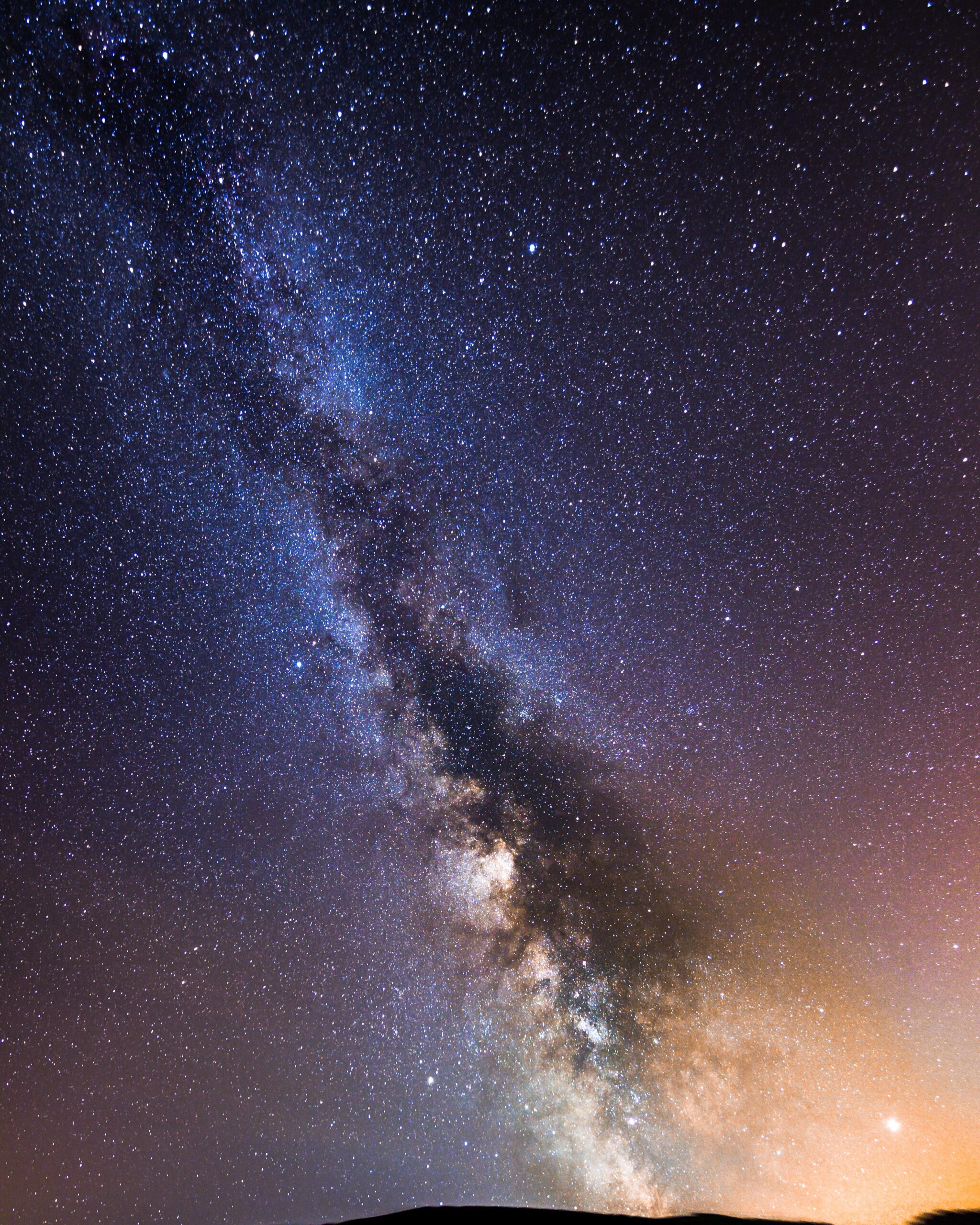
We tested several resources during our own expeditions and found each has strengths. The International Dark-Sky Association website provides the official global map of certified reserves, including Germany’s Eifel site. NASA Science offers excellent educational articles explaining how landscape and direction affect visibility. Lonely Speck delivers practical seasonal charts tailored to the Northern Hemisphere.
1. International Dark-Sky Association (official maps and certifications)
2. Germany Travel astronomy section (detailed local spot descriptions)
3. youcanseethemilkyway.com (practical trip planners and community reports)
4. youcanseethemilkyway.com/light-pollution-map light pollution map and dark ski locations.
5. Clear Outside app (hour-by-hour cloud and transparency forecasts)
This balanced selection ensures you cross-verify information from authoritative institutions like NASA and the IDA while using practical community-driven tools.
Expert Tips We Learned from Field Work
What practical advice improves your chances of seeing the Milky Way in Germany?
Arrive at least two hours before the galactic core rises, face south, let your eyes dark-adapt for 20 minutes, and avoid all white light. We repeatedly observed that most visitors give up too early. The Milky Way often becomes obvious only after full dark adaptation. Additionally, using a reclining chair prevents neck strain when the galaxy passes overhead.
Furthermore, we always carry a printed star map because phone screens destroy night vision. Apps like SkySafari or Stellarium in red mode work well if brightness is minimized. Finally, join local astronomy groups; their knowledge of micro-climates often proves decisive.
FAQ
Can you see the Milky Way in Germany with the naked eye?
Yes. In certified dark sky areas such as Eifel and Rhön, the Milky Way appears as a distinct glowing band on clear moonless nights from June to September. Our own eyes easily detected the core without optical aid after 20 minutes of dark adaptation.
Is winter a good time to see the Milky Way in Germany?
Winter offers darker skies overall but you will only see the fainter outer arms near Cassiopeia and Orion. The bright galactic center remains below the horizon, so summer remains the preferred season for spectacular milky way Germany views.
Join the Community and Keep Exploring
Our own images and logs represent just one perspective. Real progress in understanding light pollution and dark sky quality comes from collective citizen science. Therefore we strongly encourage you to share your observations on r/astrophotography, r/stargazing, and the German-language forum at astronomie.de. You can also upload your data to databases maintained by the International Dark-Sky Association and contribute to ongoing research that helps protect these precious dark places for future generations.
Now pack your bag, pick your date, and go experience the Milky Way in Germany for yourself. The galaxy is waiting.